Galaxy
Star systems and interstellar bodies (black holes, rogue planets, nebulae, derelicts) joined by hyperlanes. Fleets cross from jump point to jump point.

The galaxy
Every star system is a whole solar system, and no two skies are alike. From temperate homeworlds to molten hells, from red dwarfs to pulsars, from gas giants to black holes: these are the places you'll settle, mine, defend and take. Every image here is rendered in the game.
In-engine render
One continuous camera
Zoom smoothly from a map of the galaxy to a single ship's turrets. No loading screens, no mode switches: orders work at every scale.
Star systems and interstellar bodies (black holes, rogue planets, nebulae, derelicts) joined by hyperlanes. Fleets cross from jump point to jump point.
A star at the centre with planets on slow, real orbits; the inner ones move faster. Ships phase-jump from well to well: right-click a world to go there.
One body and the space around it: where fleets fly at sublight, stations are built and every battle is fought.
Planets & bodies
Each world type has its own surface, resources and future. A faction thrives on some and merely survives on others, so the map you are dealt shapes the war you fight.
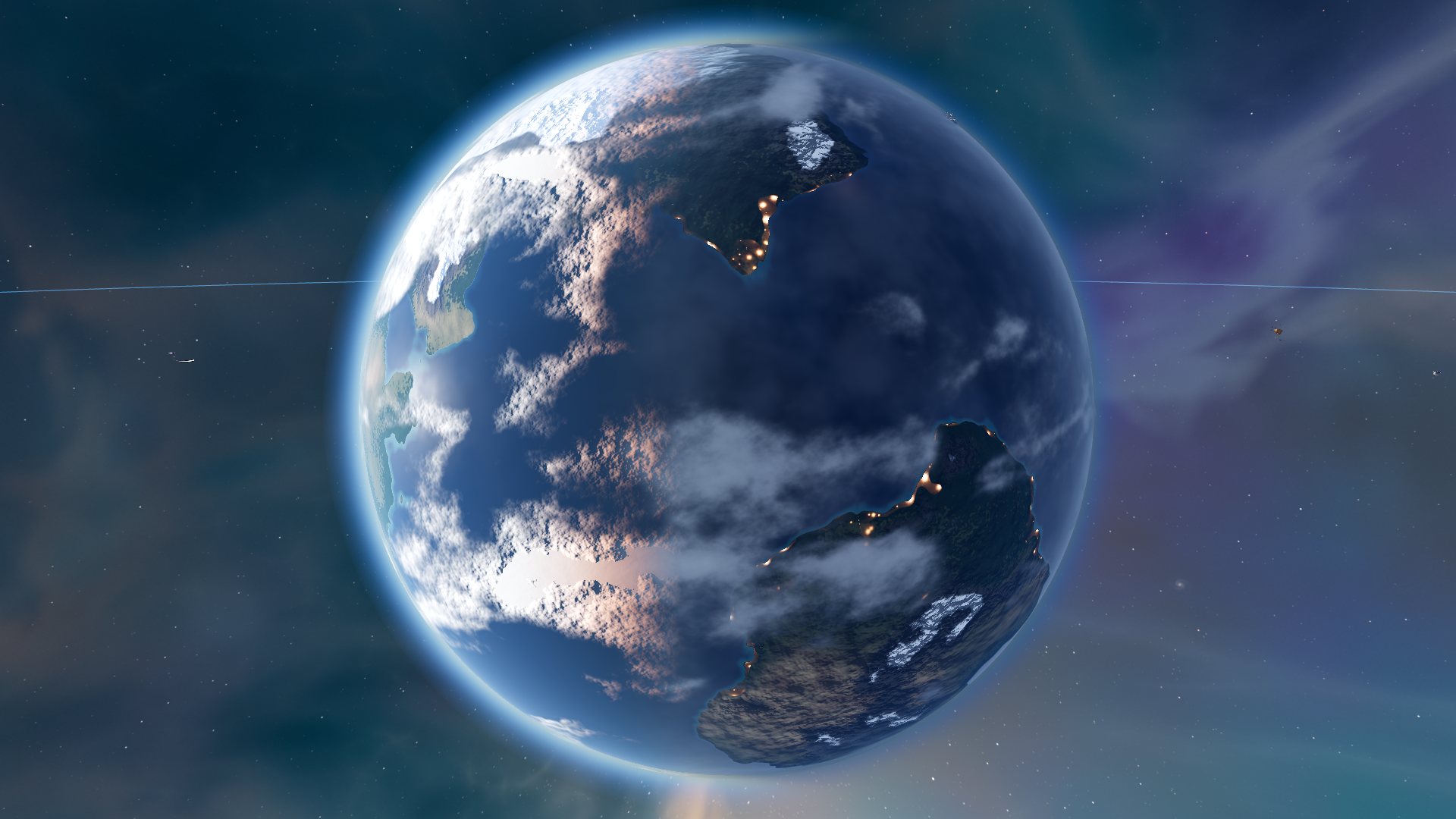
Oceans, continents and air you can breathe.
The richest homes for a growing population: the kind of world empires are built on, and fight over.
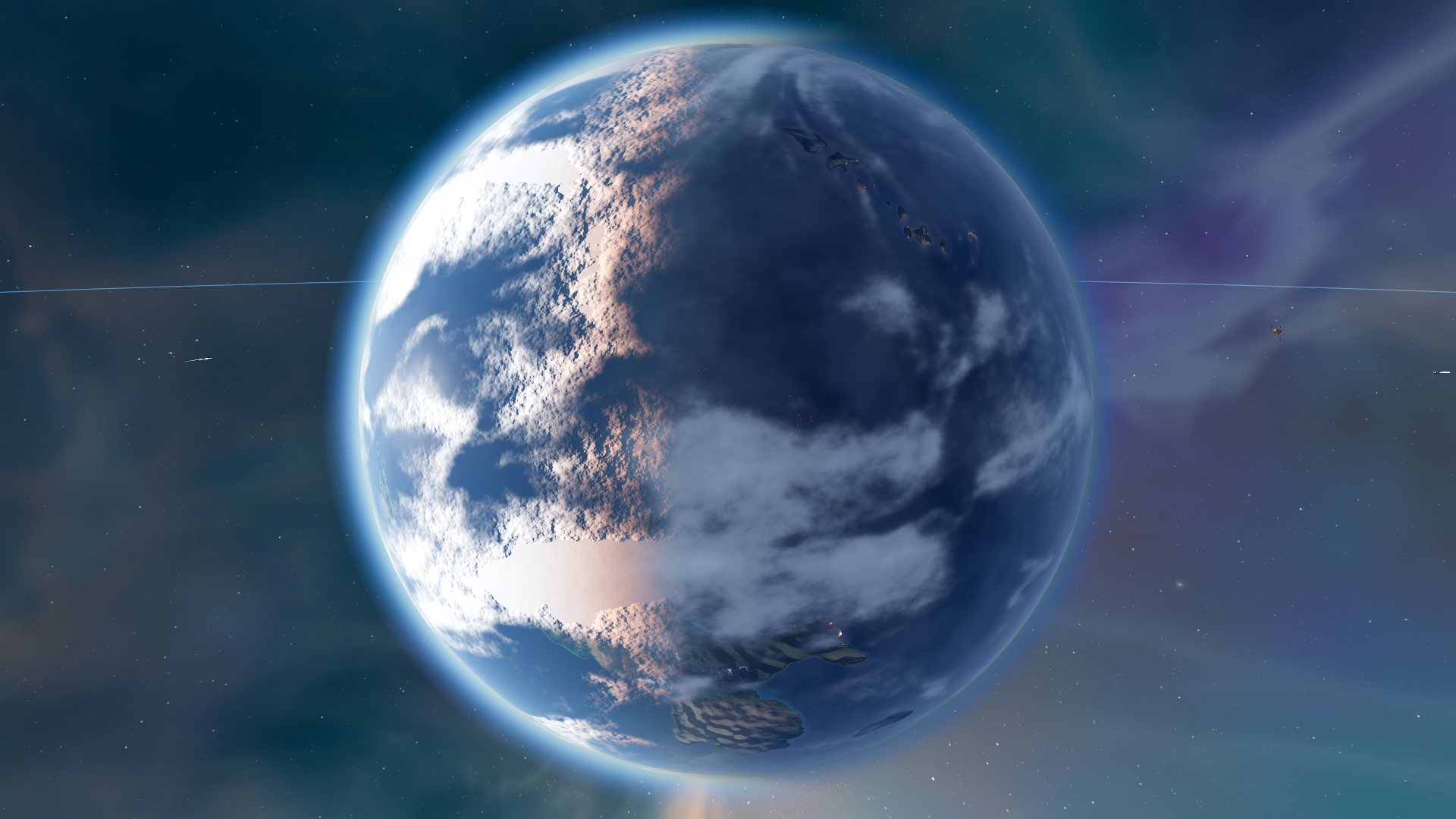
A global ocean broken by island chains.
Heavy storm systems wheel across a planet-wide sea. Settlements cling to the islands and the shallows.
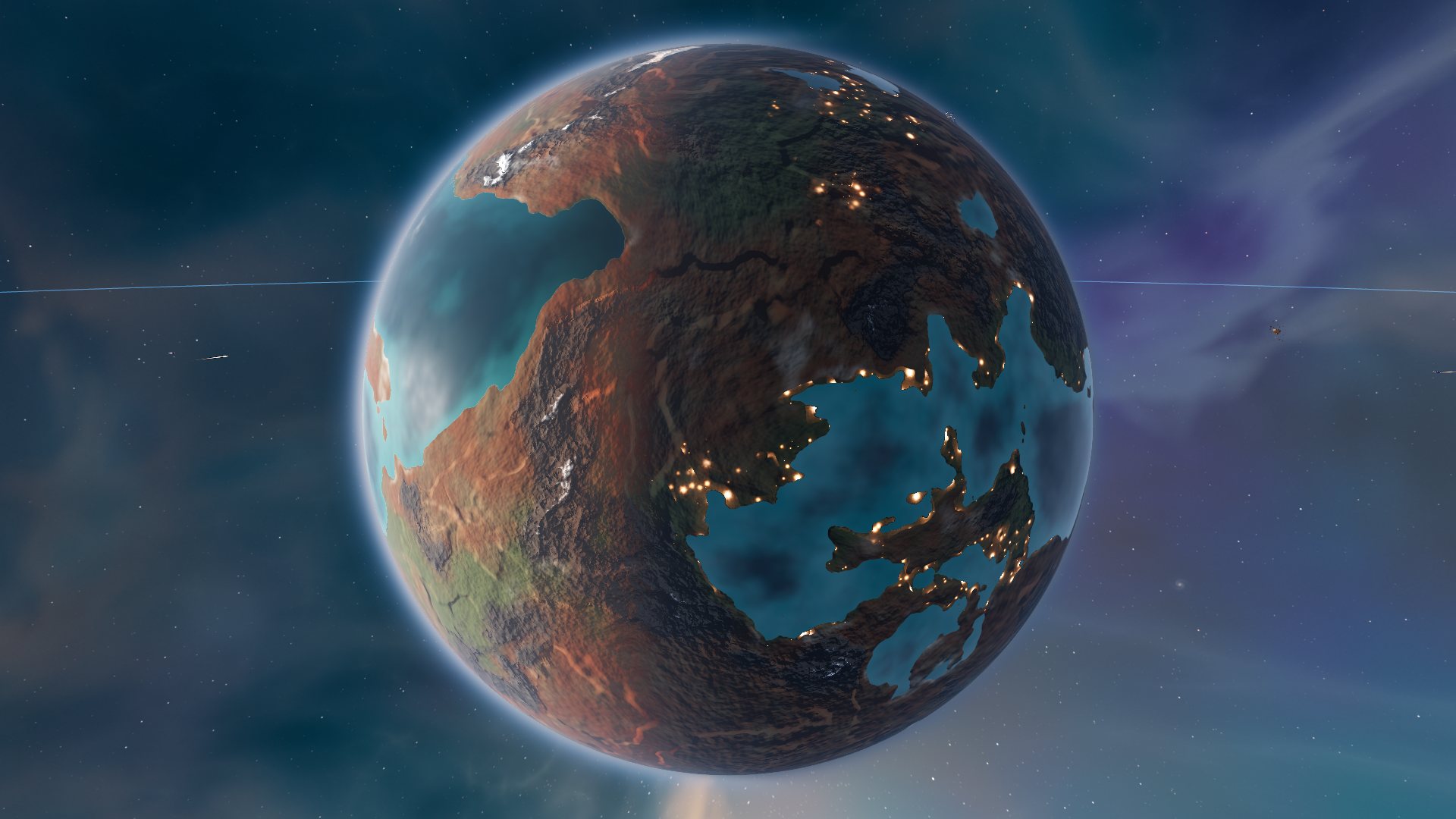
Steppe and badlands around shrunken seas.
Salt flats and dry coasts mark where the water used to be. Hard living, but living.
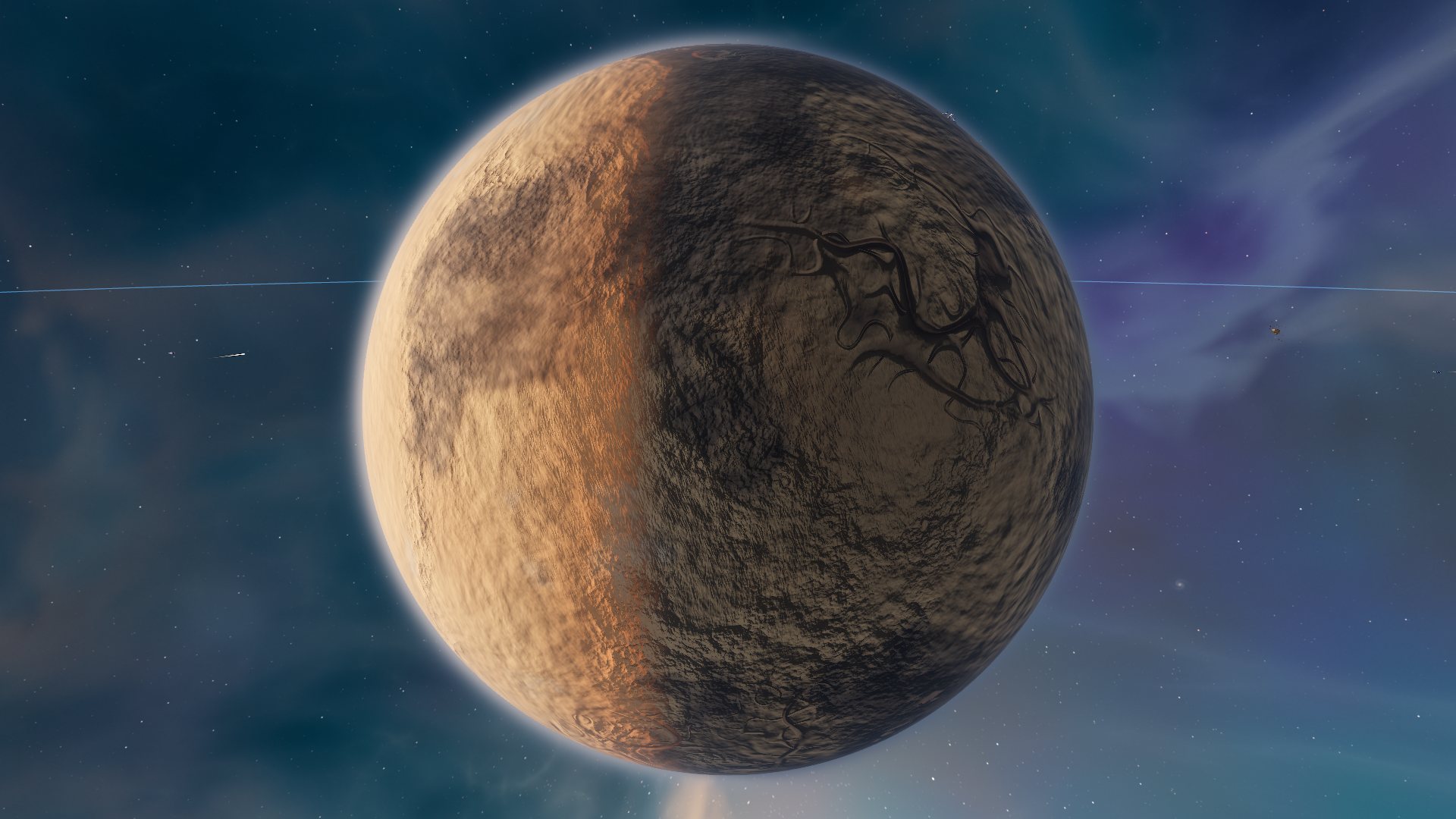
Sand seas, plateaus and canyons.
No open water anywhere: every drop is imported, recycled or dug out of the rock.
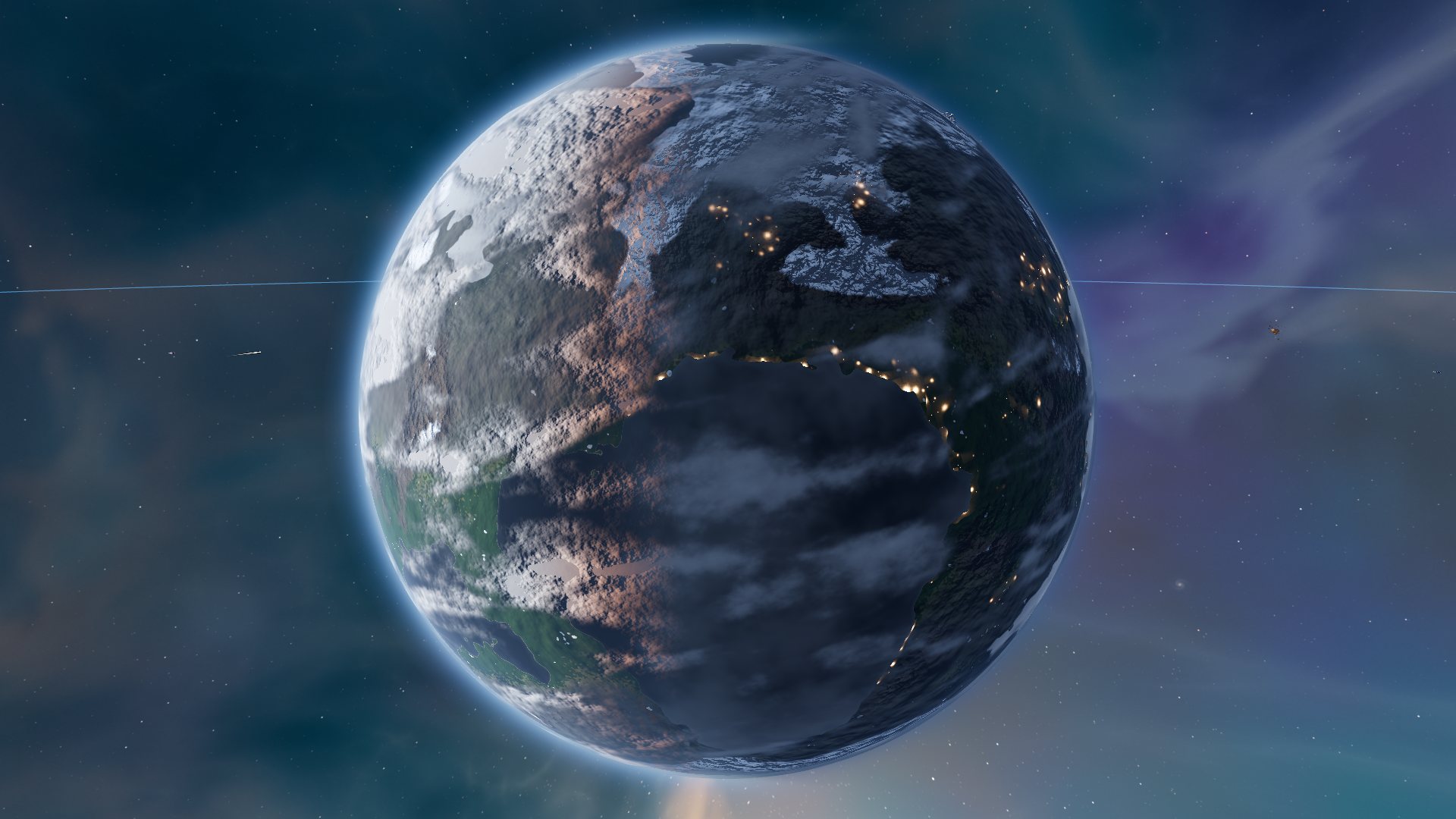
Cold plains and taiga under great ice caps.
Short summers, long nights and enough ground to build on for those who can stand the cold.
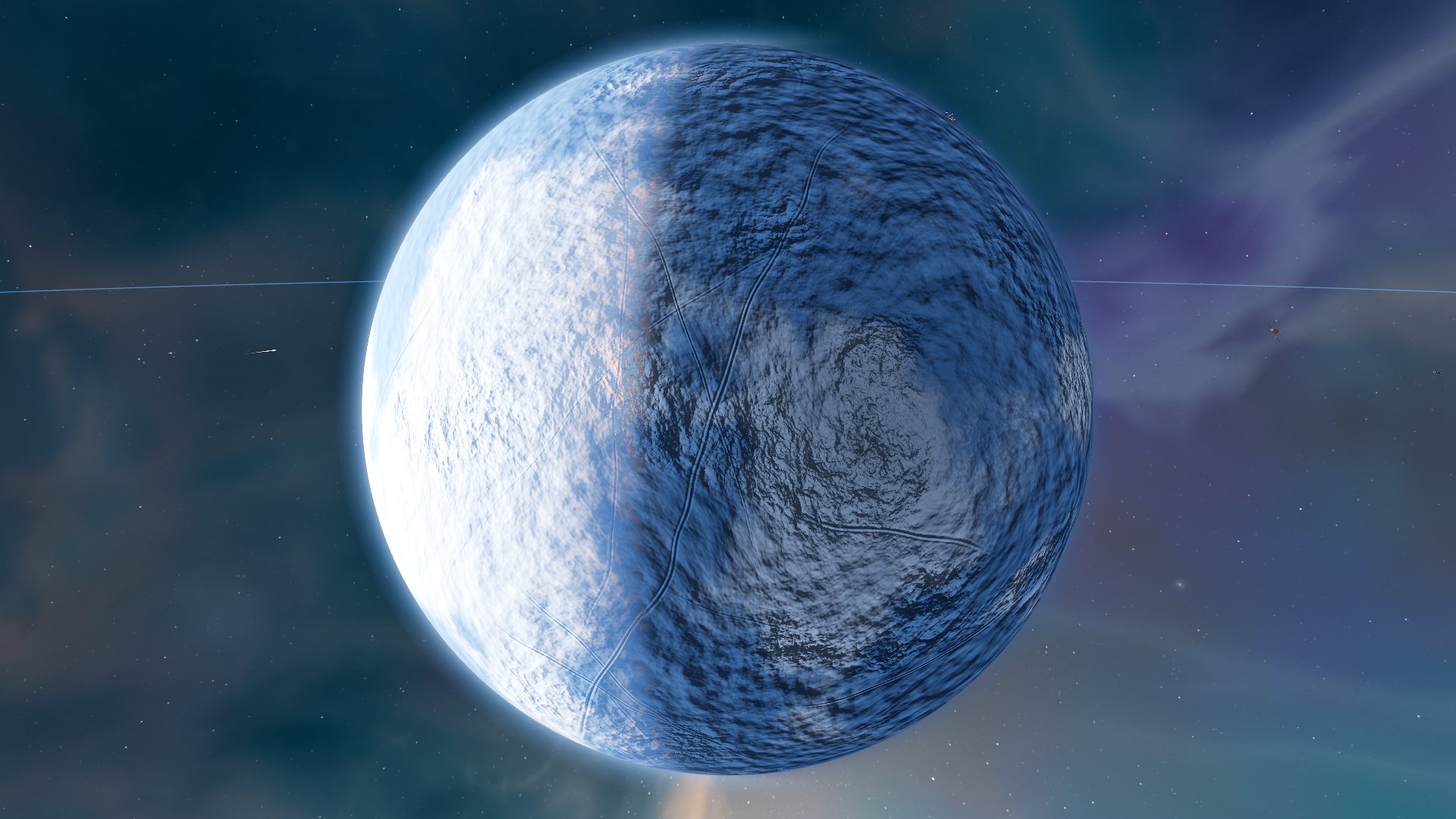
Glaciers and fractured ice plains.
An ice-sheathed world where colonies burrow beneath the sheet for warmth and water.
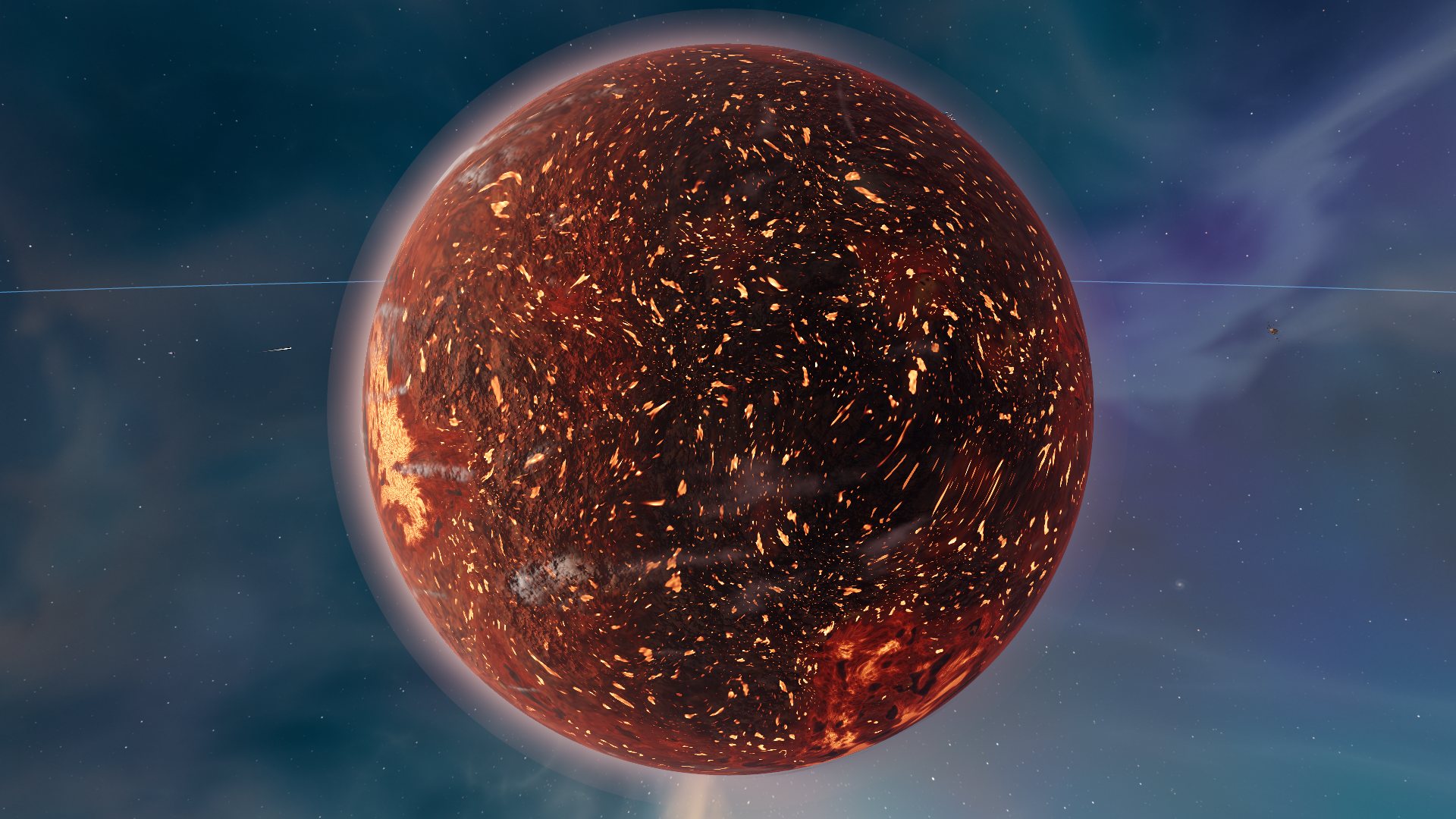
Basalt crust and rivers of lava.
Barely habitable and gloriously rich in Metals. Some worlds are worth taking for what lies under them.
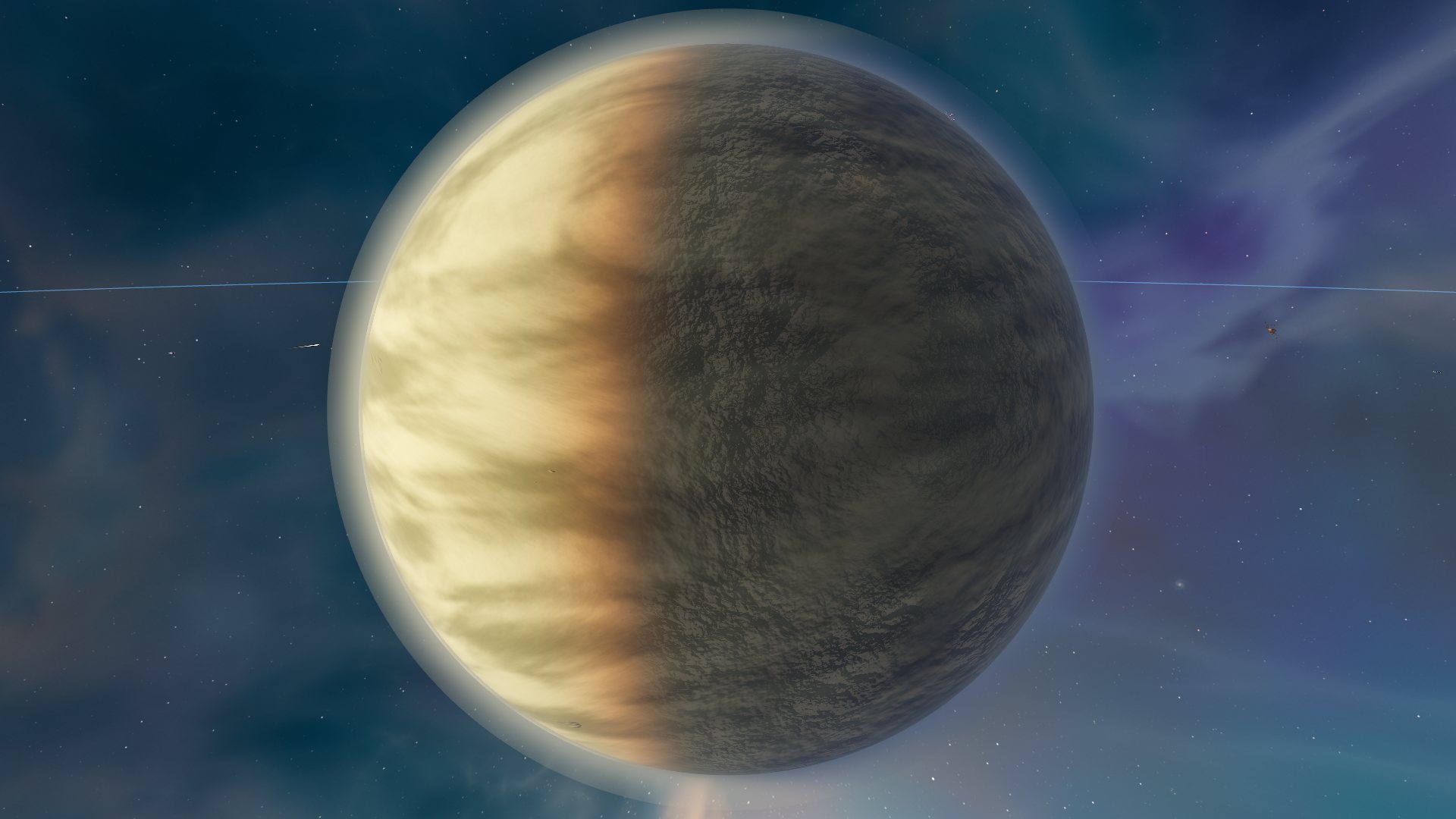
Hidden under a corrosive cloud deck.
Nobody sees the ground from orbit. Domes and sealed cities make it a home anyway.
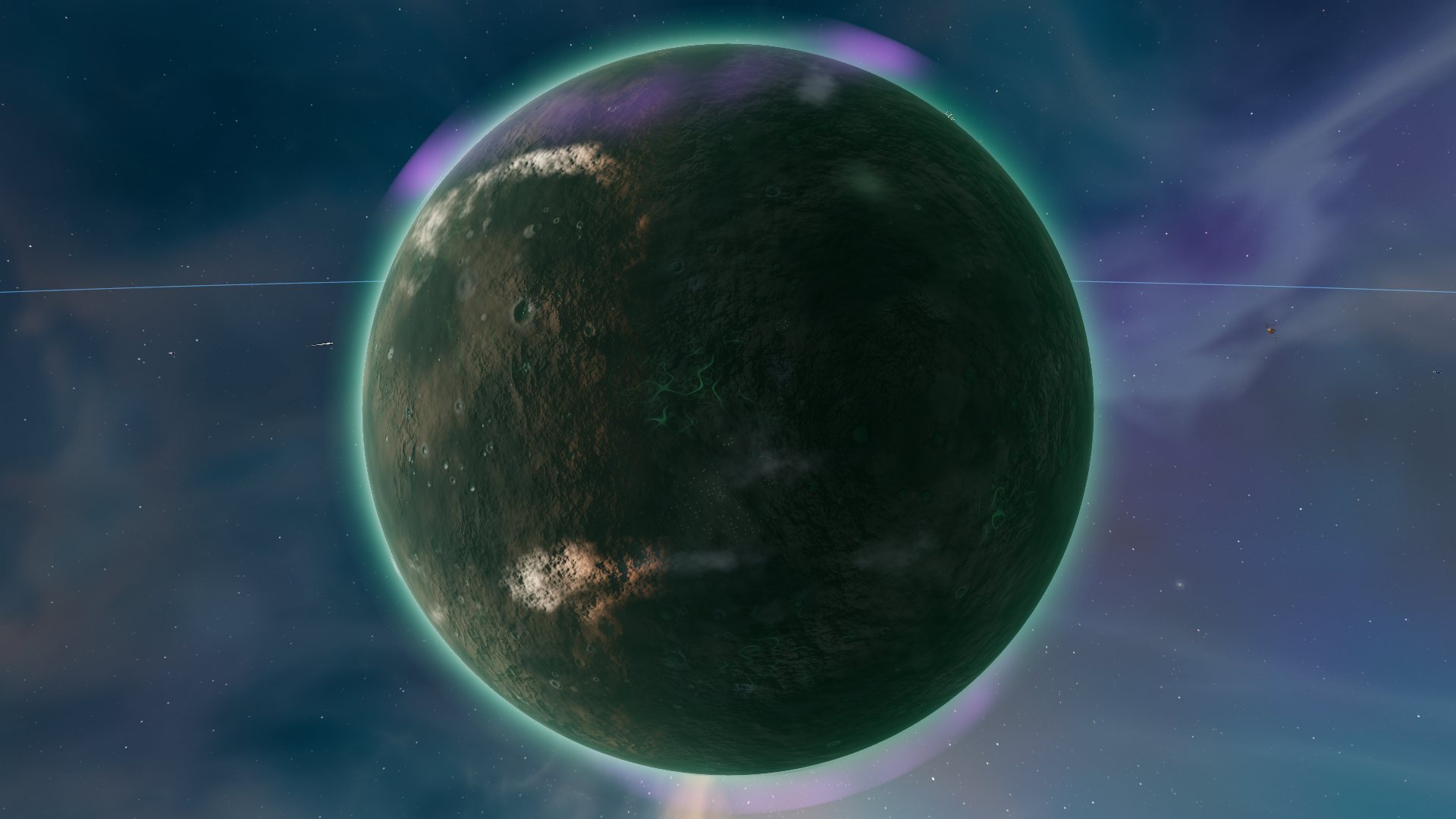
Scorched by radiation, faintly glowing.
Blasted by its star, the surface gives off an eerie light. Only the stubborn settle here.
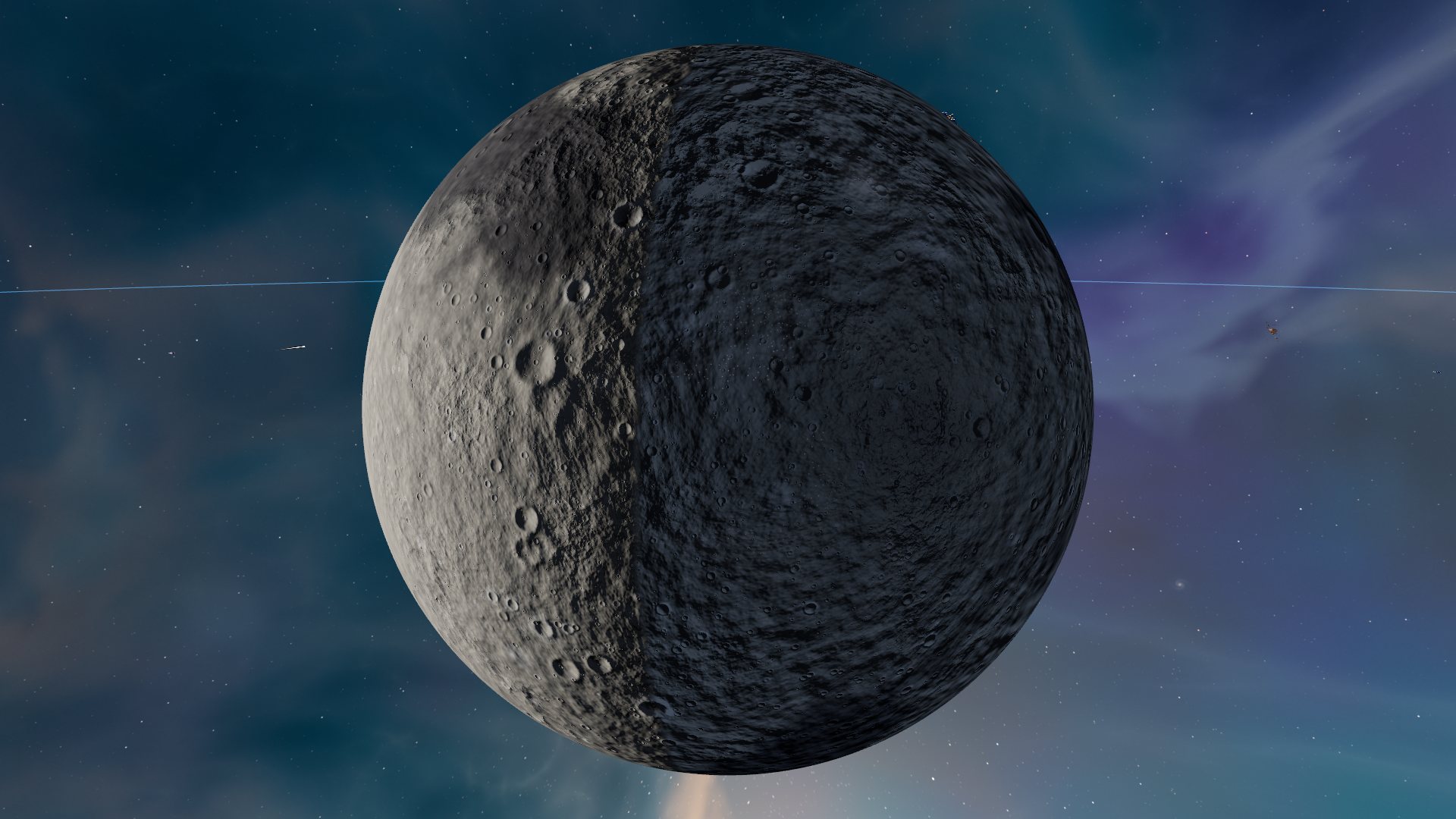
Airless, cratered rock.
Silent and cold, but solid ground in the right place is a strategic prize.
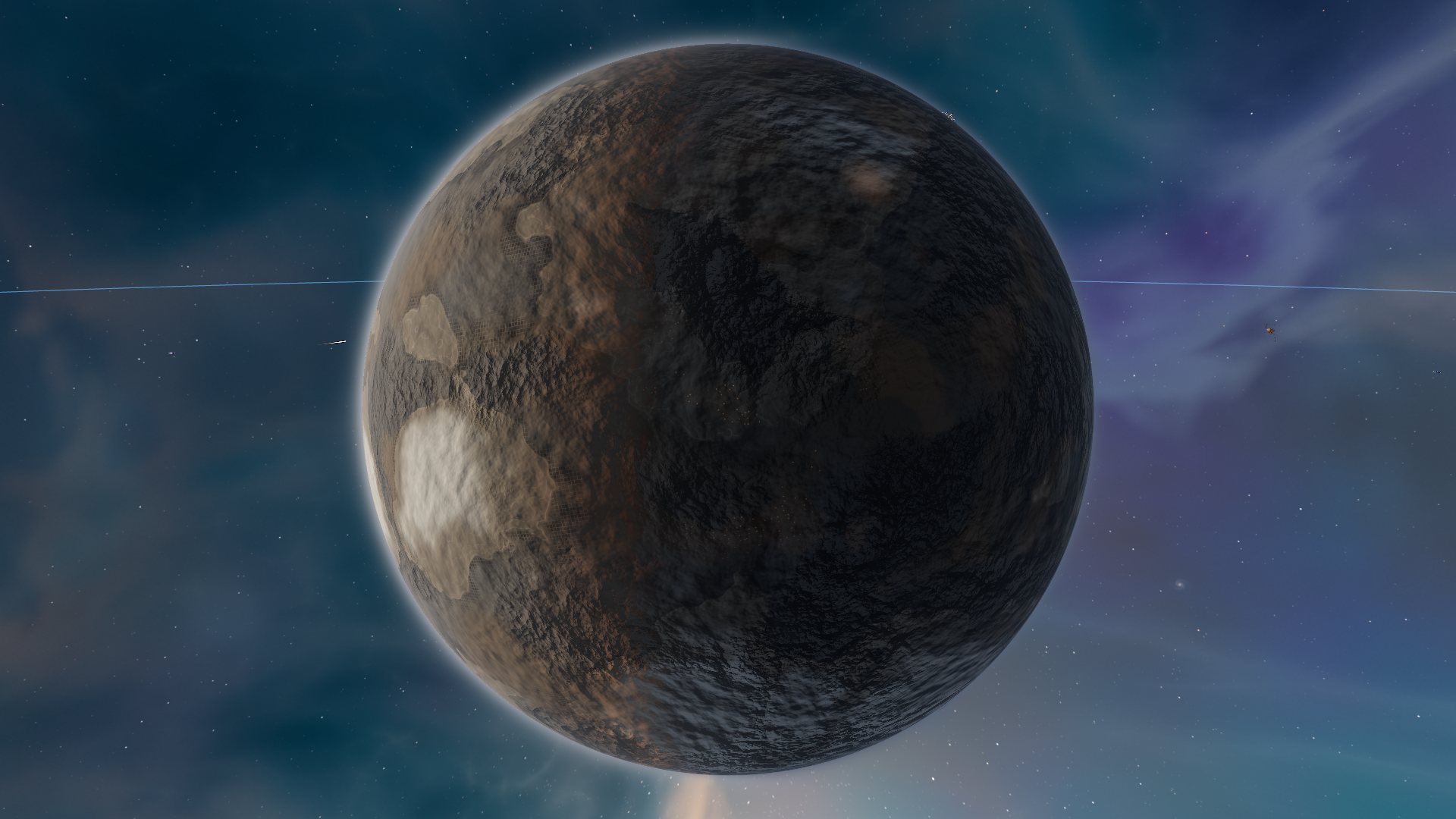
Dry ocean basins and the ruins of old cities.
Once alive. Ash-grey land and empty cities keep the secret of whatever ended it.
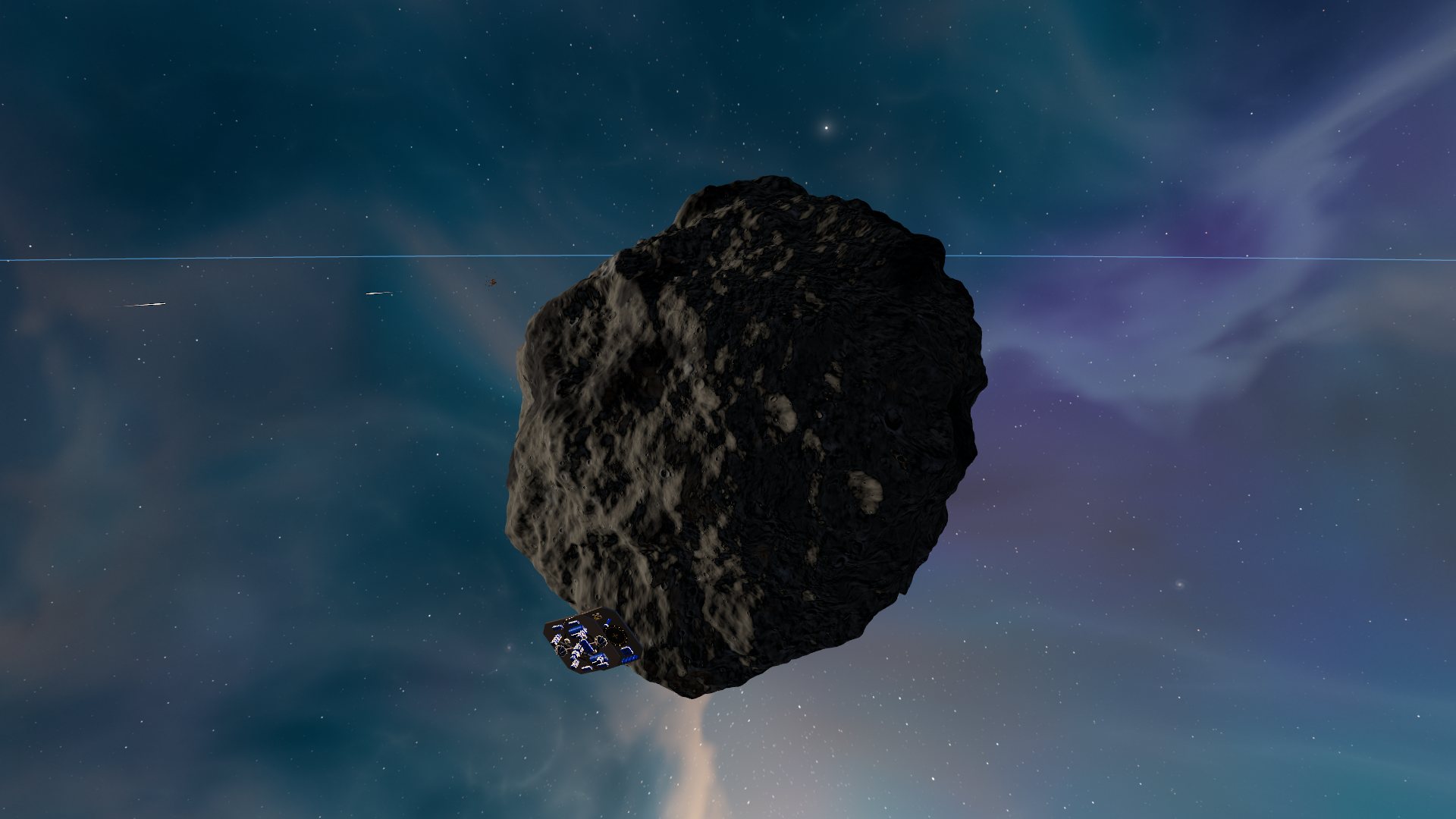
Irregular rock riddled with mining sites.
Large asteroids can be settled; asteroid fields feed harvesters with Metals and Crystals.
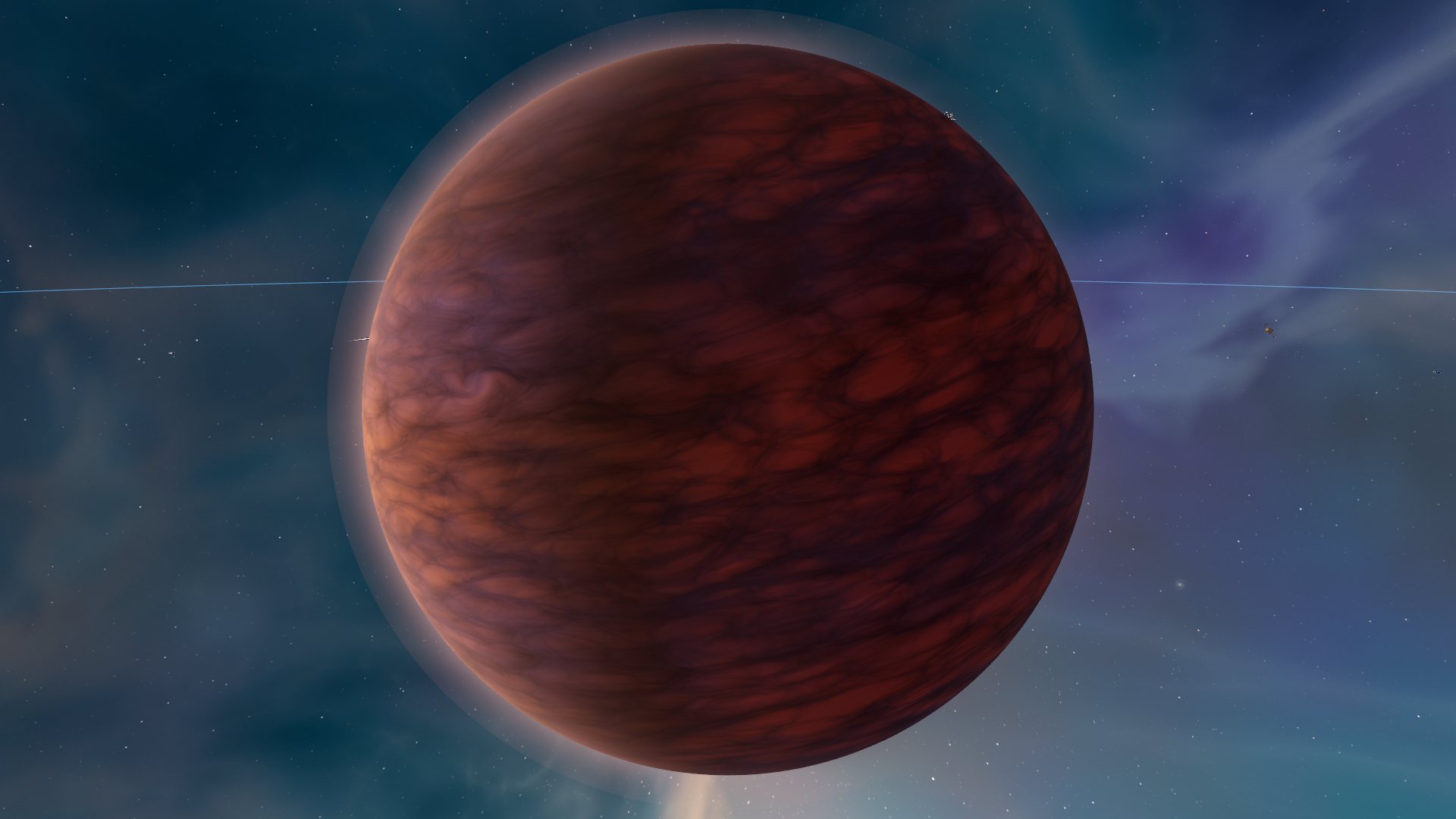
Banded storms deep enough to swallow worlds.
Not conventionally colonisable, but its moons and its Gas make it a key position in any system.
Stars
The star at the heart of a system sets its light and its character, from furious blue giants to dim brown dwarfs. Each class is rendered from its real colour temperature.
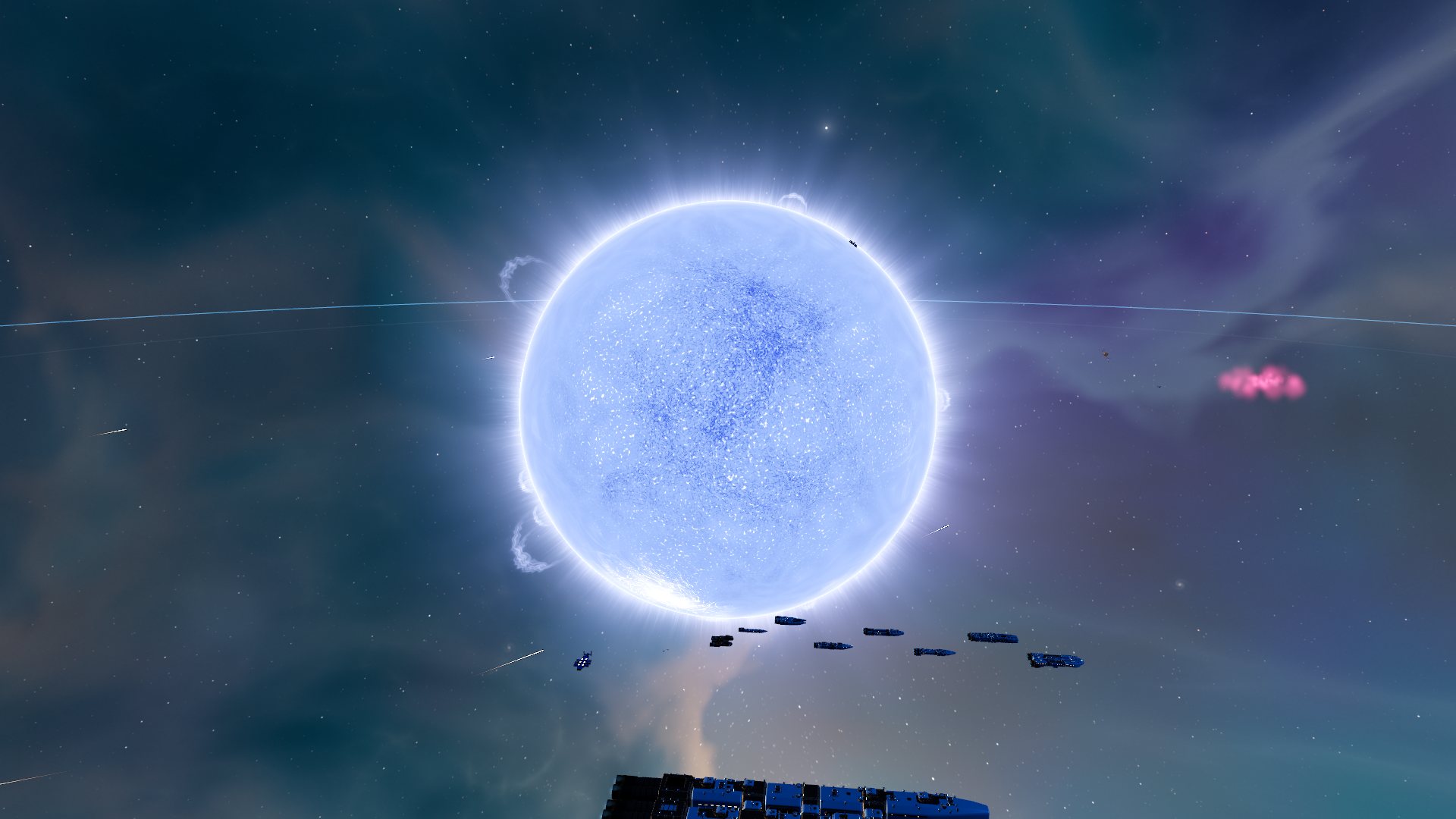 O-type blue starRare, massive and furiously hot.32,000–45,000 K
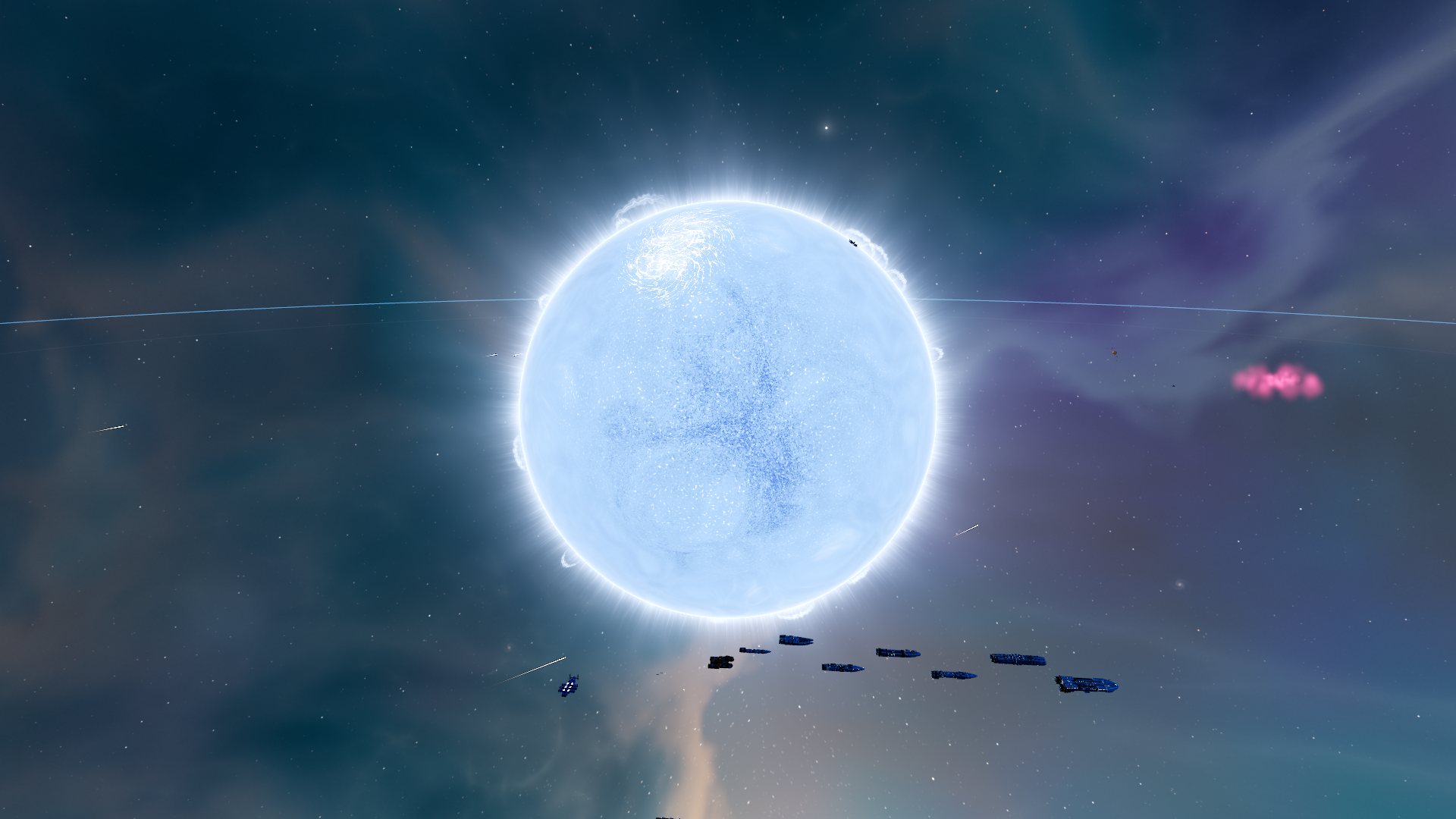 B-type blue-whiteHot, bright and short-lived.11,000–30,000 K
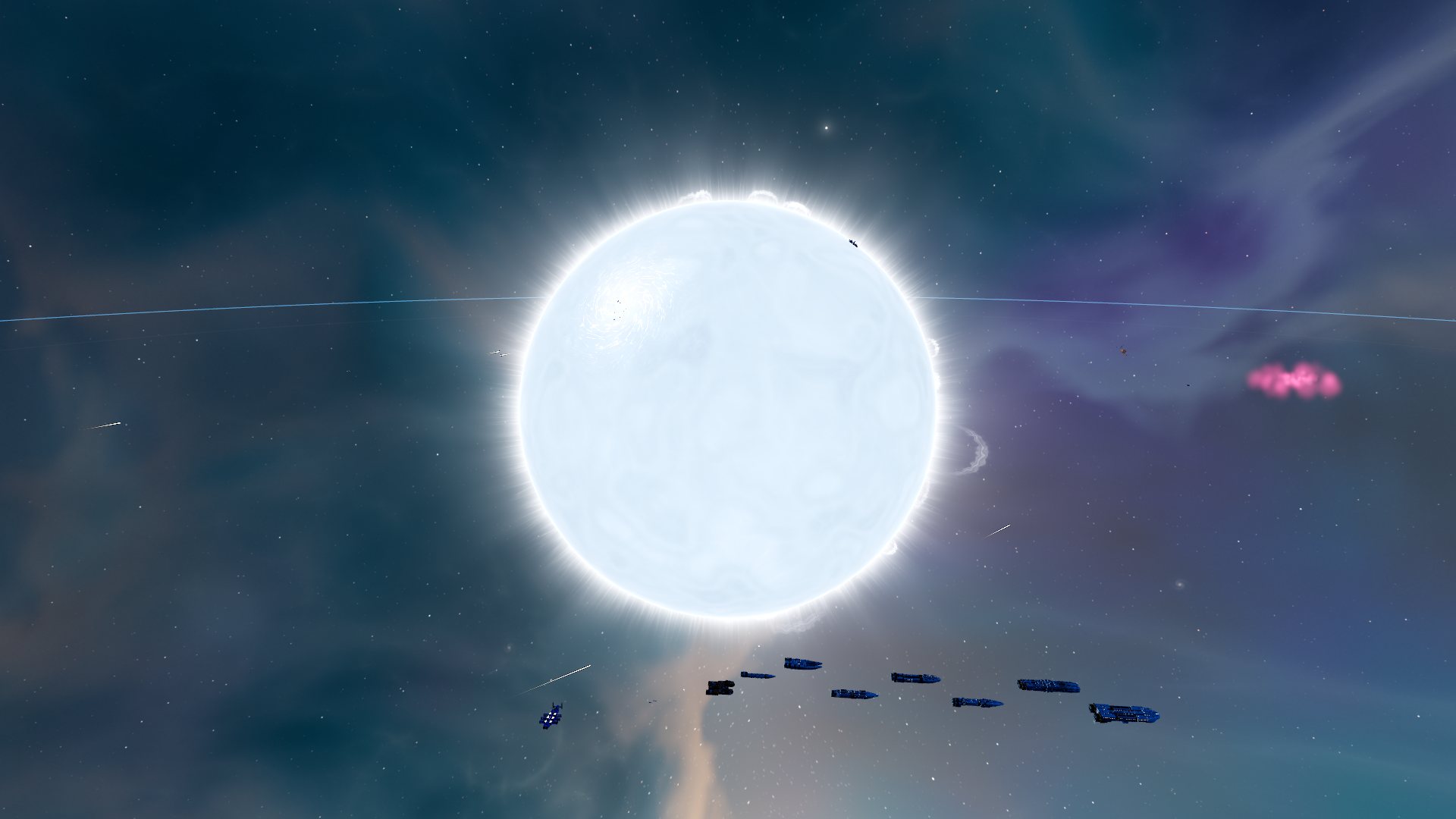 A-type whiteWhite, fast-spinning, few spots.7,600–10,000 K
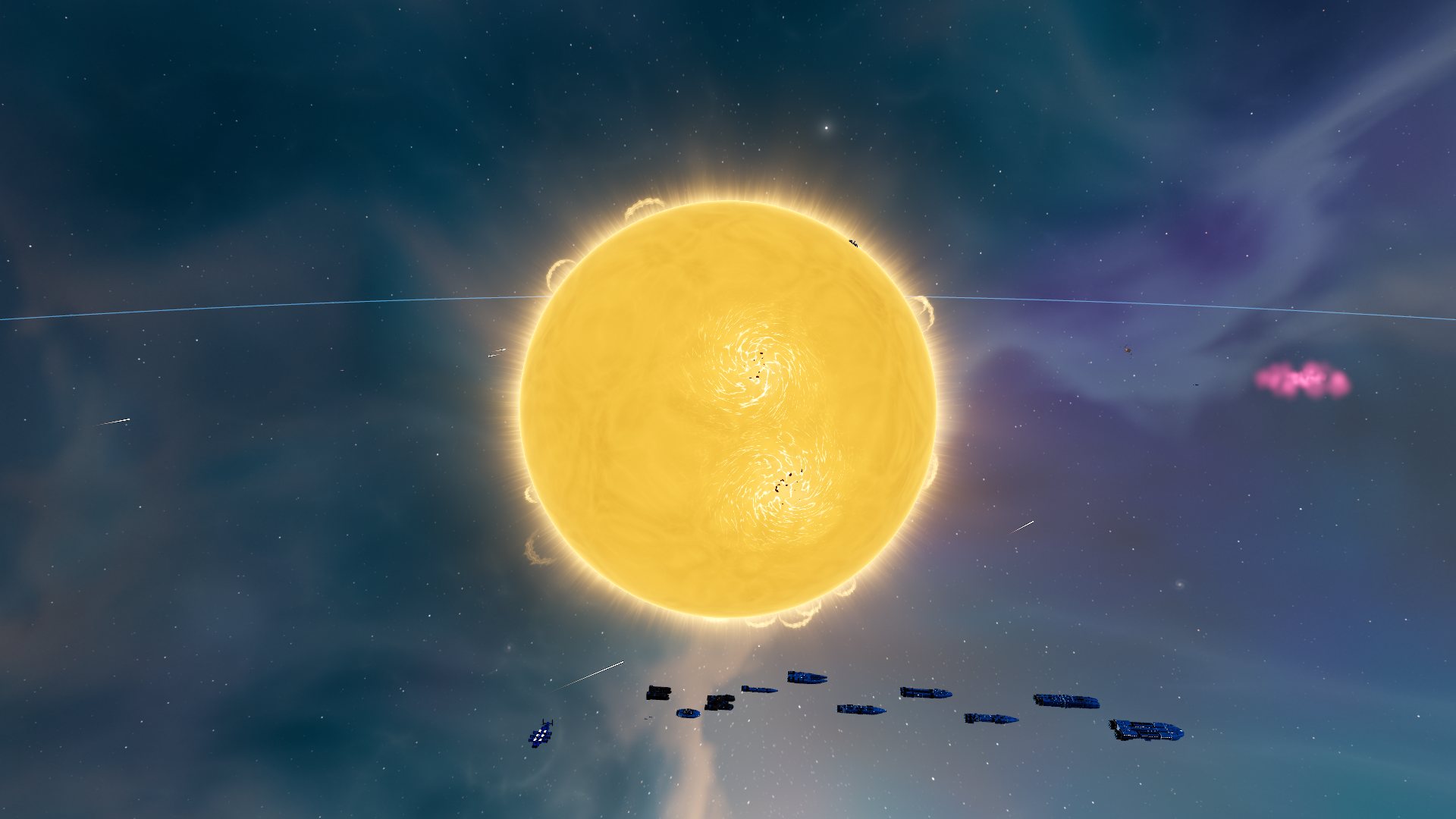 F-type yellow-whiteA little hotter and larger than the Sun.6,100–7,400 K
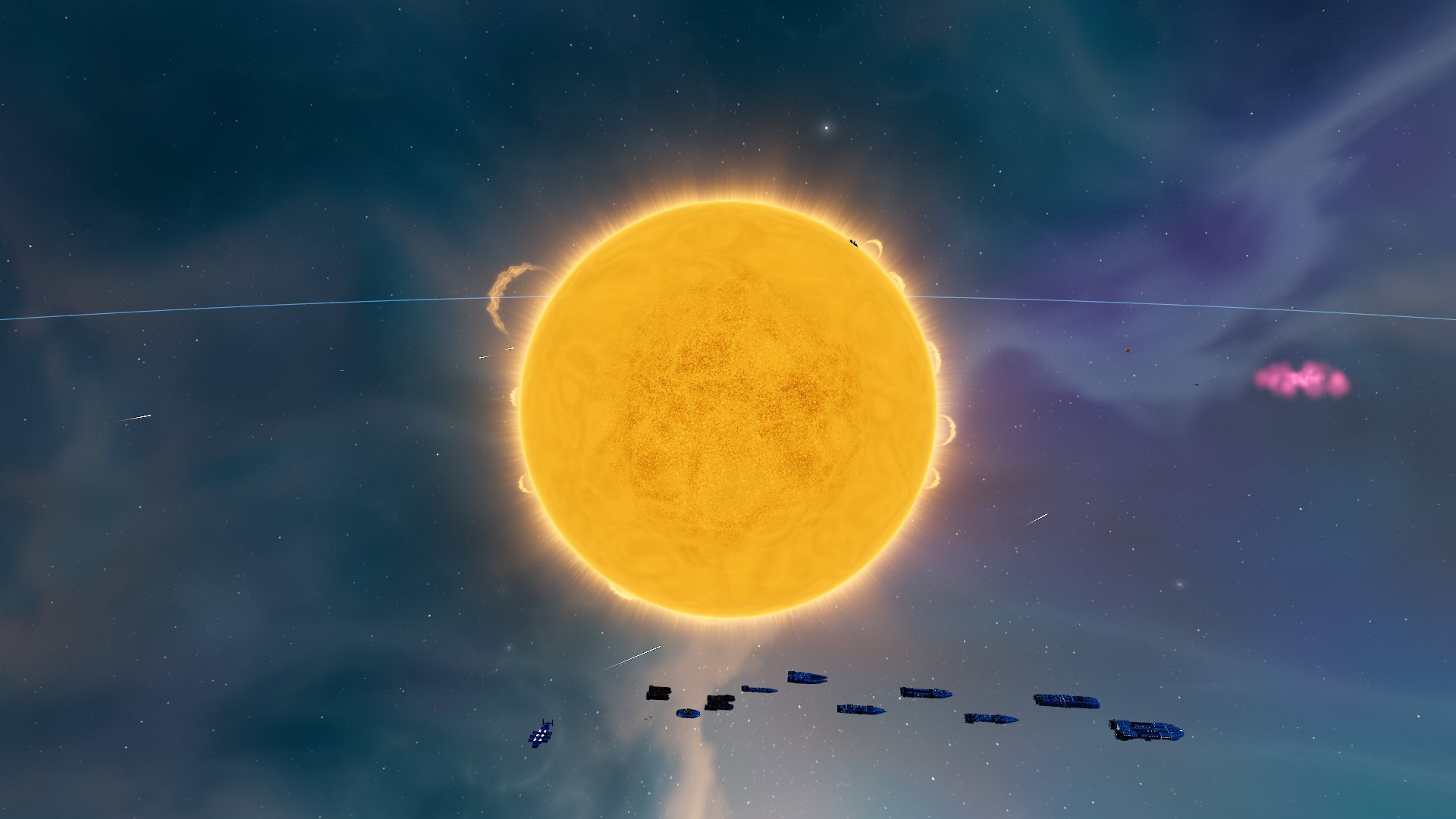 G-type yellowA Sun-like main-sequence star.5,300–6,000 K
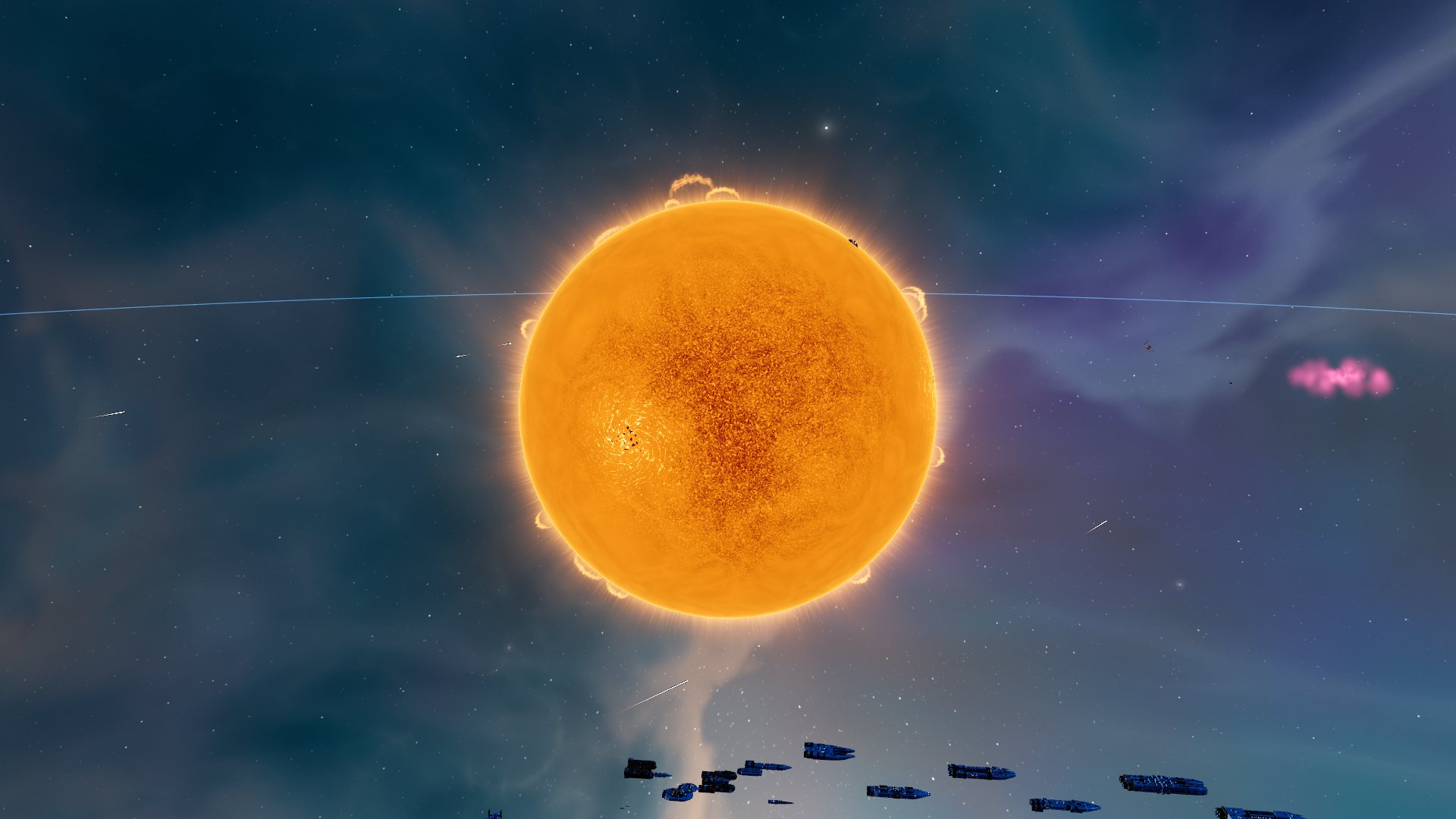 K-type orangeA cooler, long-lived orange dwarf.3,900–5,200 K
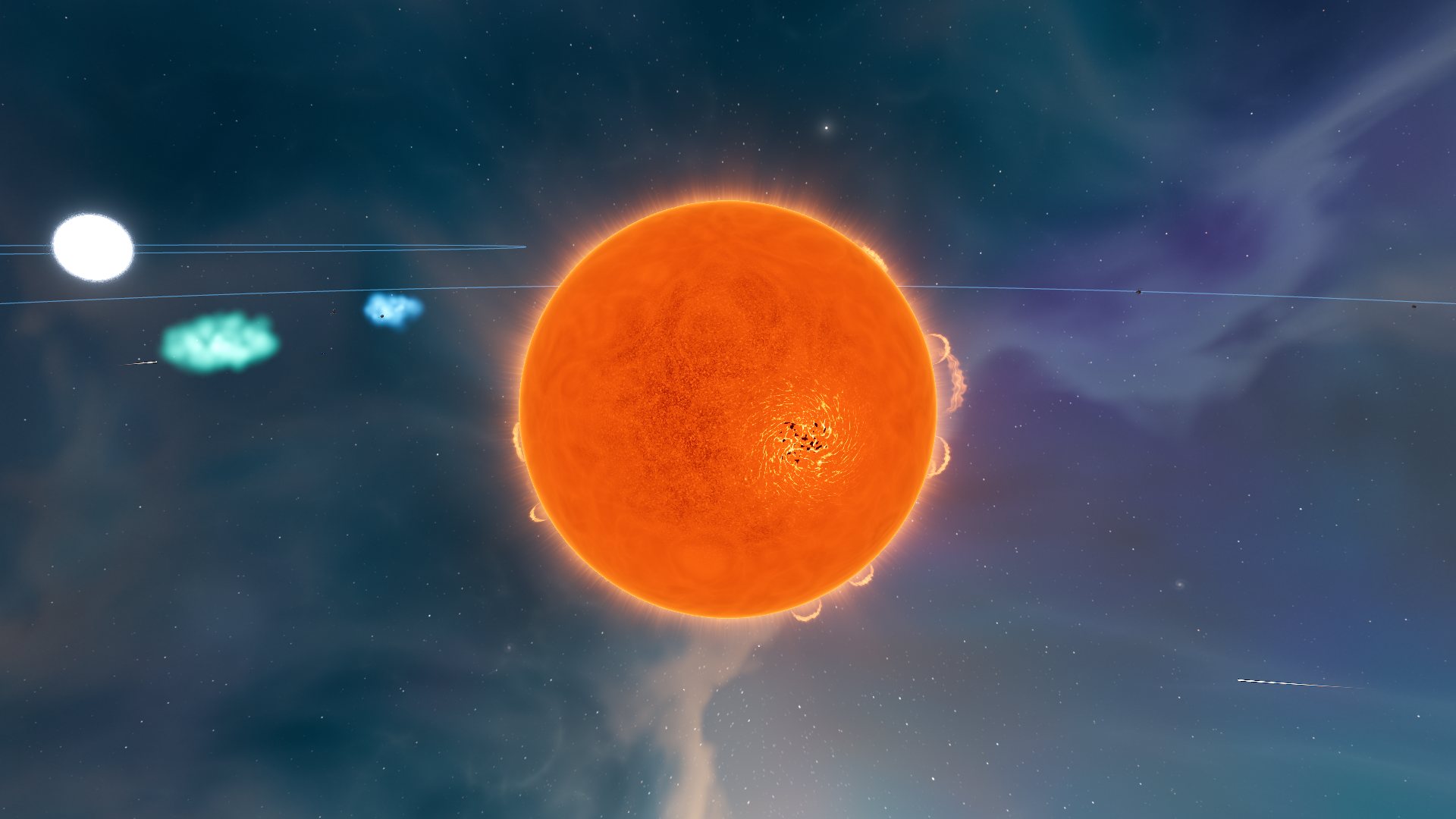 M-type red dwarfSmall, dim and prone to flares.2,400–3,800 K
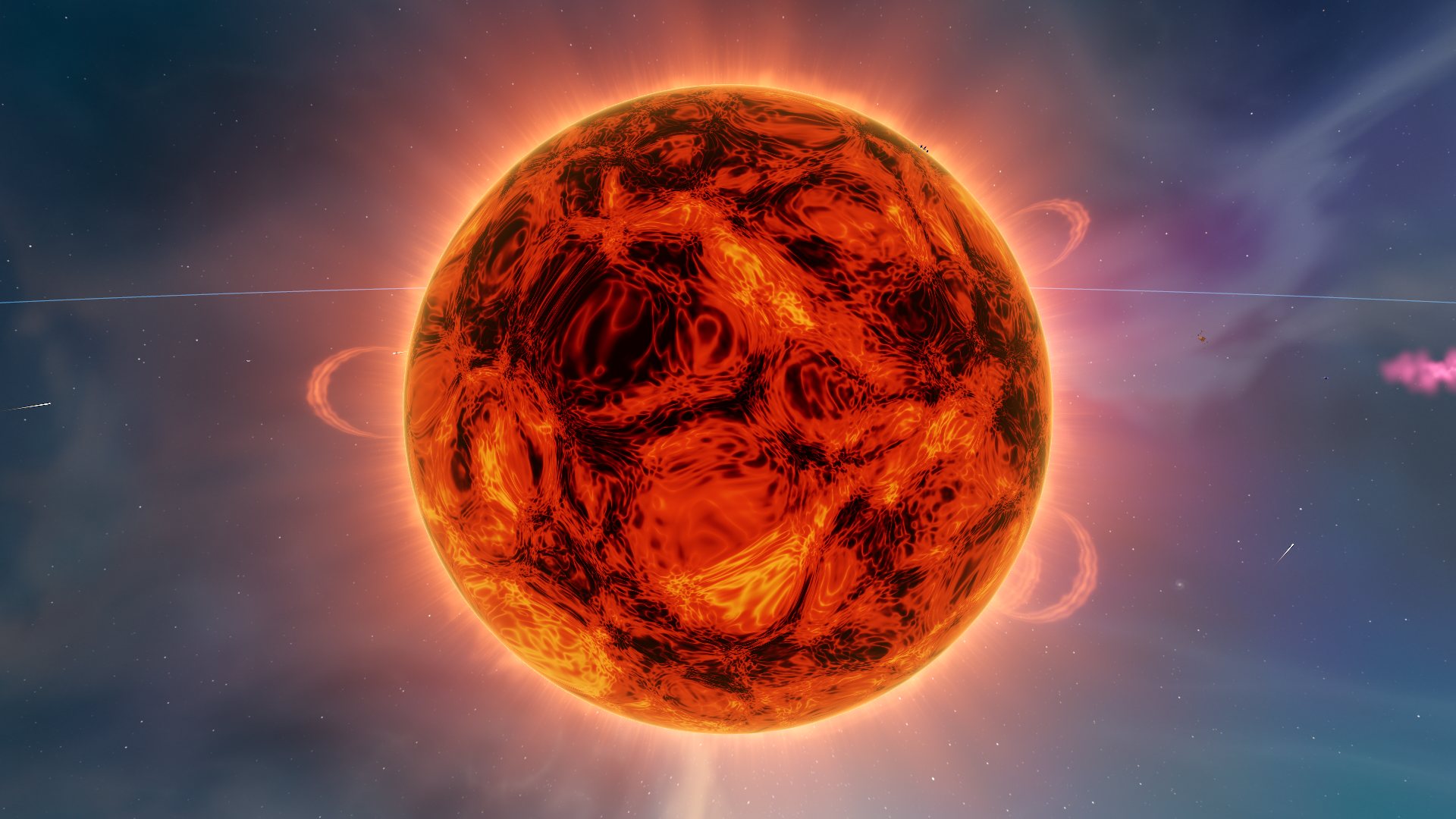 Red giantA swollen dying star with vast convection cells.3,000–4,500 K
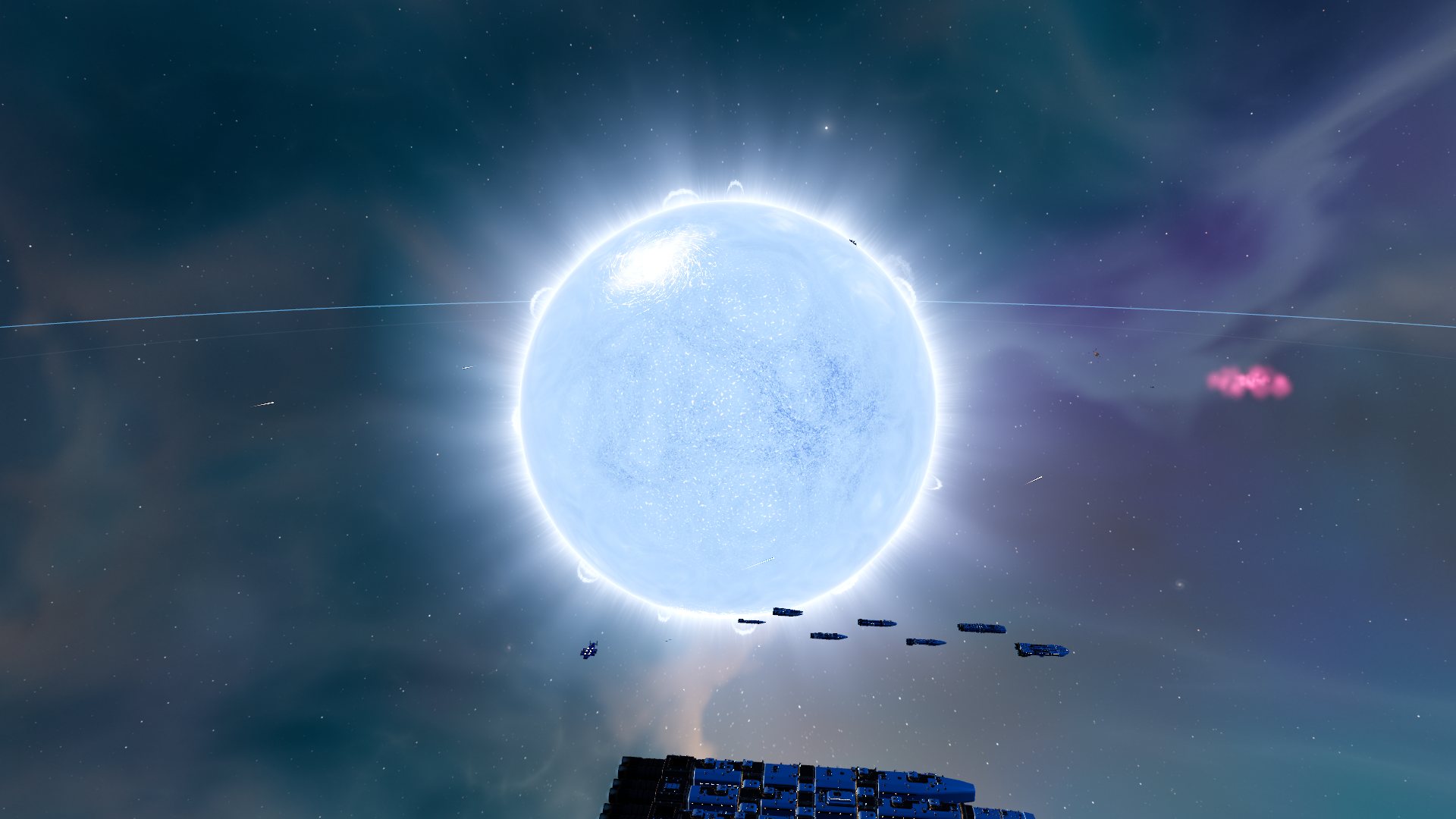 Blue supergiantEnormous, brilliant and unstable.18,000–30,000 K
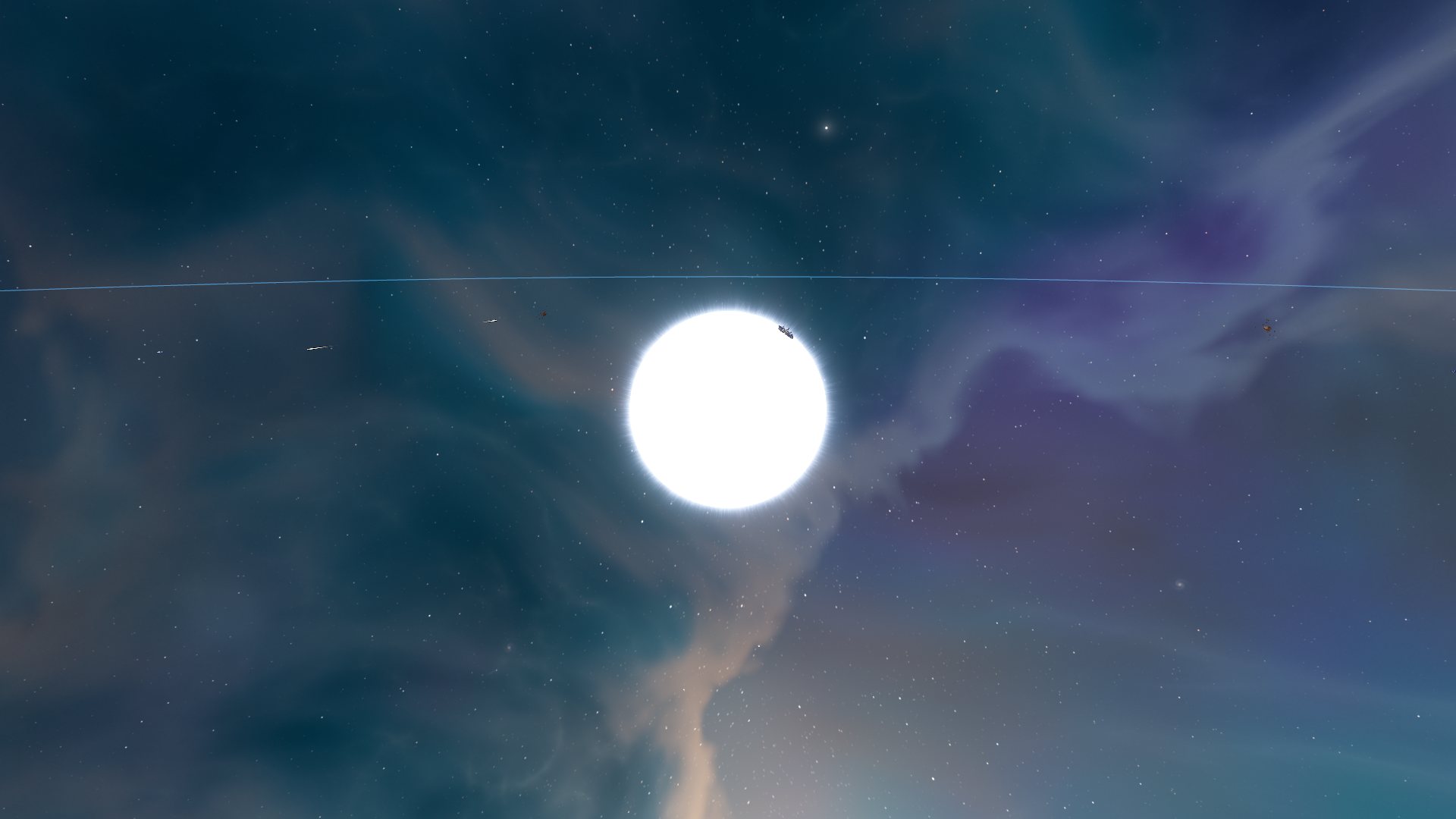 White dwarfA dense stellar remnant, small and blinding.8,000–30,000 K
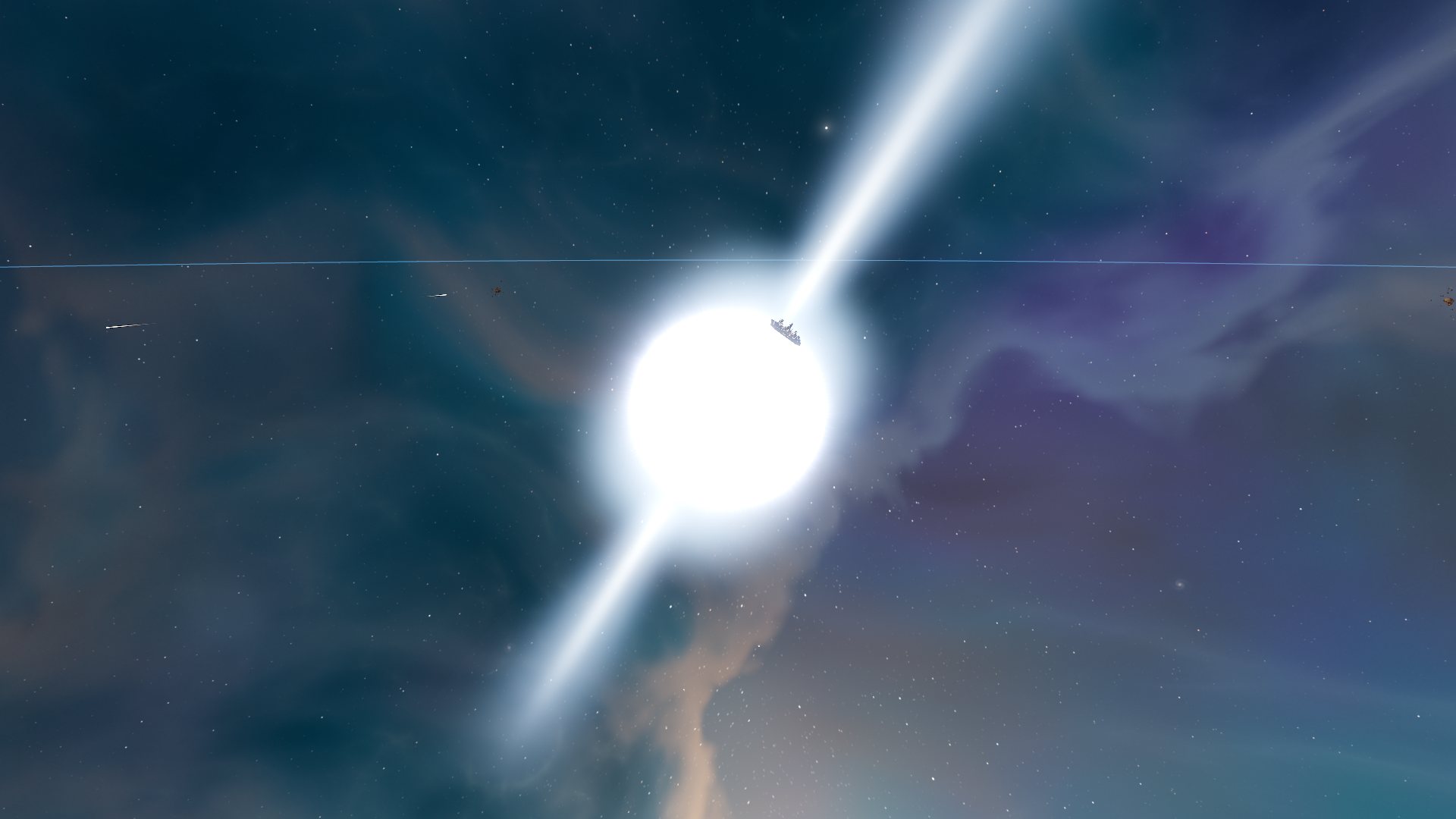 Neutron starA collapsed core sweeping beams of radiation.Pulsar
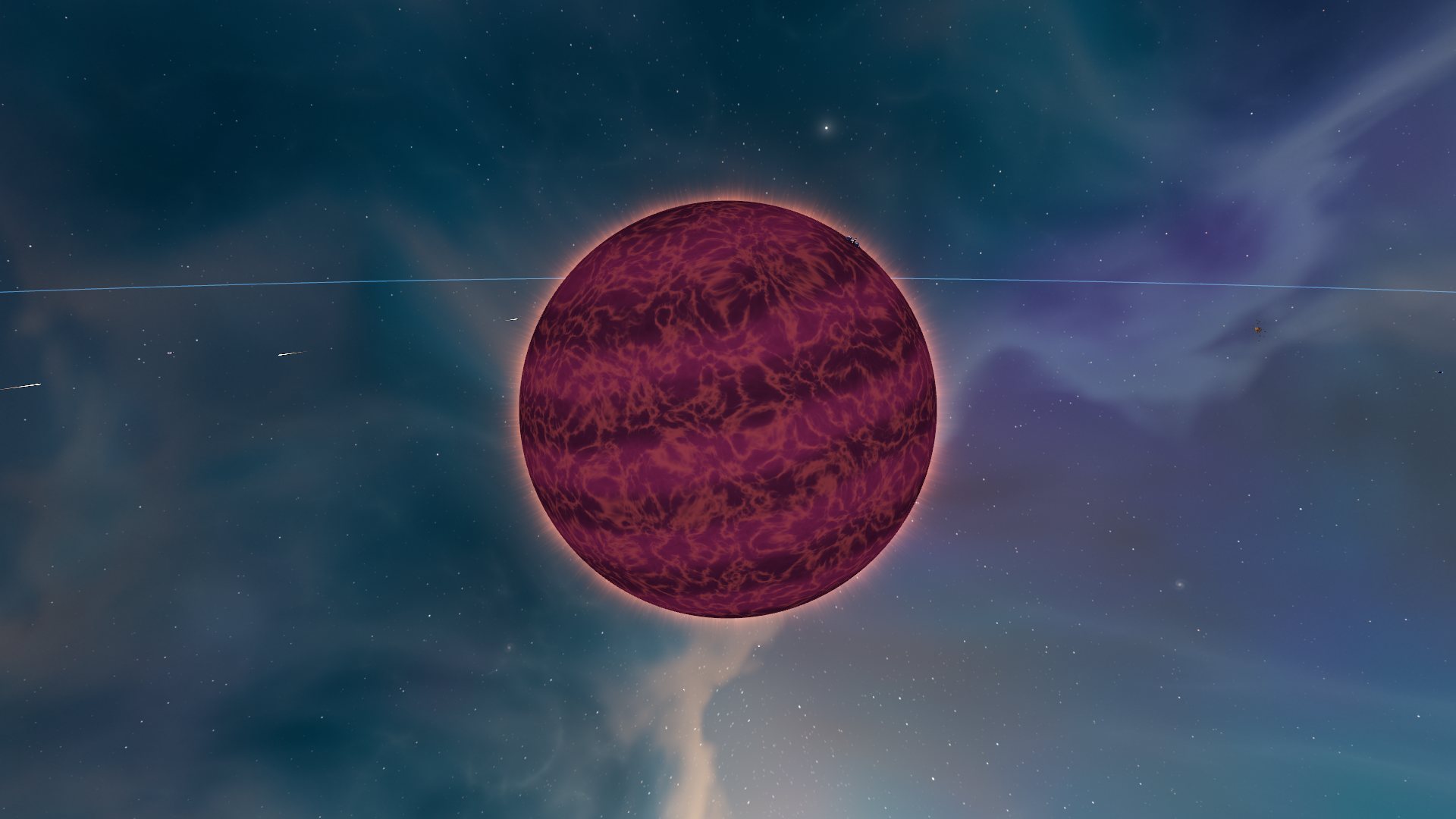 Brown dwarfA failed star: dim, banded, faintly glowing.1,300–2,400 K
Beyond the planets
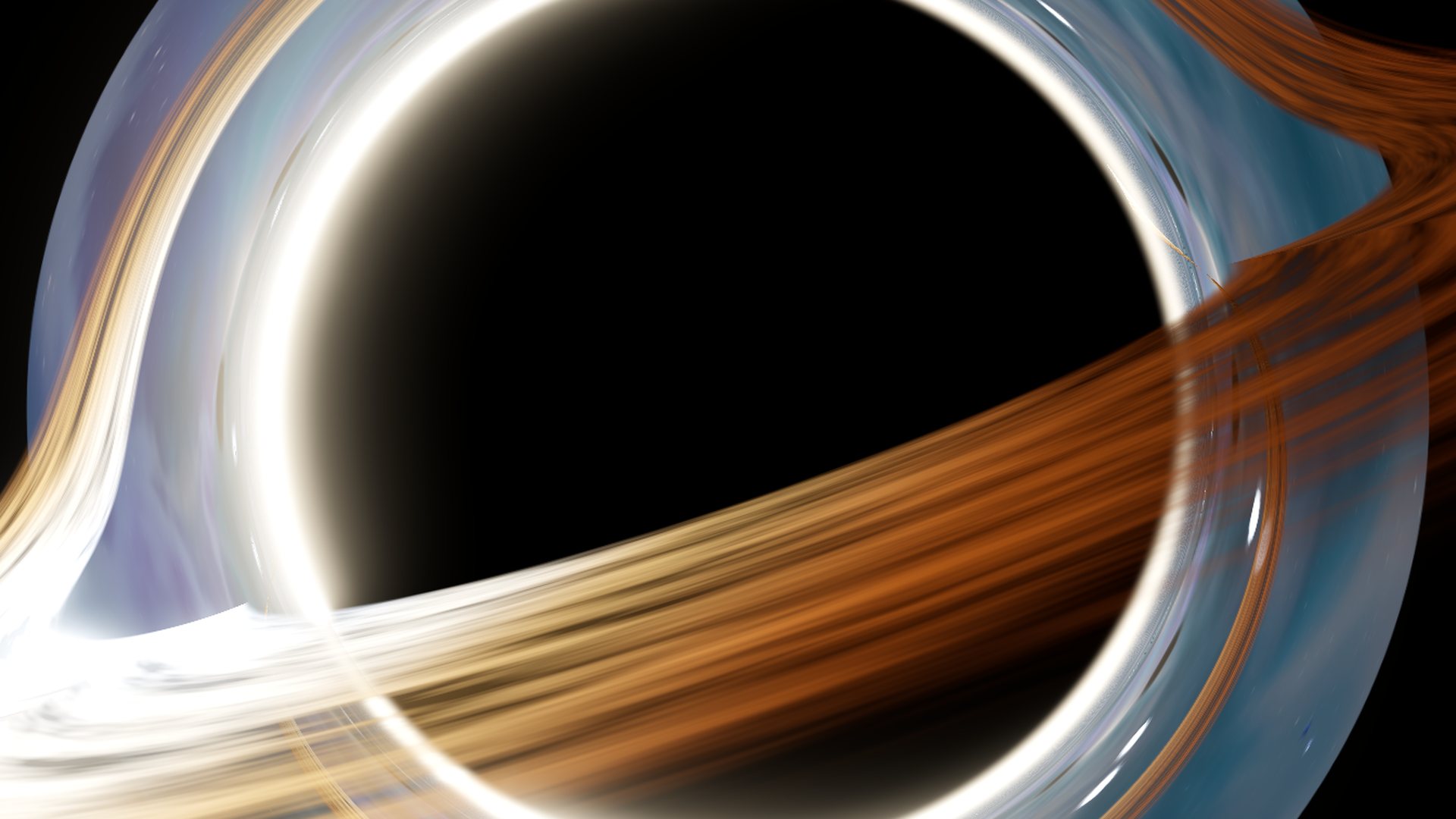
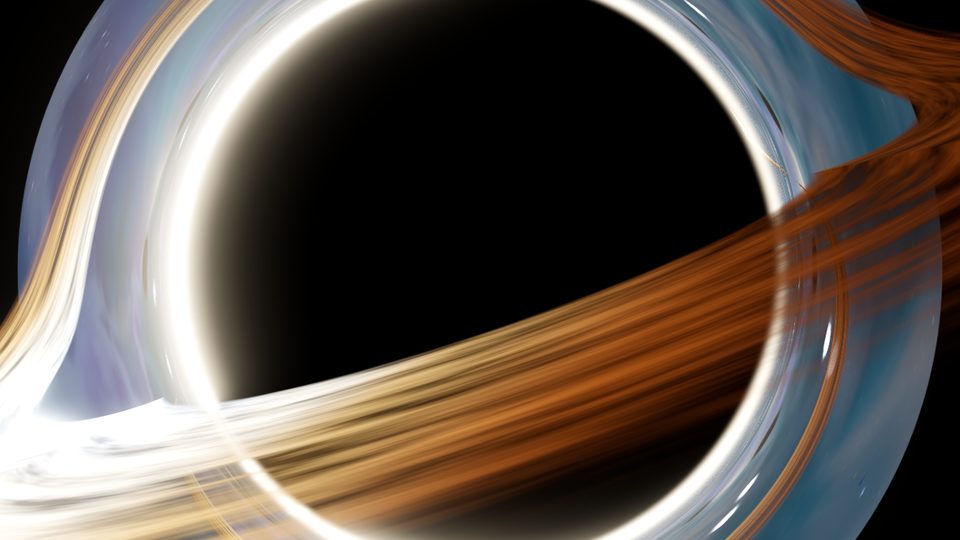
A black hole is a place in its own right on the map: an event horizon wrapped in a blazing accretion disk, its gravity bending the light of the stars behind it.
Between and within the systems lie asteroid belts full of Metals and Crystals and ambush cover, nebulae that hide fleets and blind sensors, comets on long orbits, and the derelicts of older wars.
What the worlds give
A deliberately lean economy: everything you build comes down to three materials and money.
Hulls, stations, armour, infrastructure and repairs. Cut from asteroids by harvester lasers; volcanic worlds are rich in it.
Advanced systems: high-tech weapons, shields, sensors, research and capital ships. Also mined from asteroid fields.
Reactors, engines, energy weapons and strike craft. Harvested from gas giants, which never run dry, and from clouds, which do.
The empire's money, earned from population, taxes and trade between your stations, as long as the freighters get through.